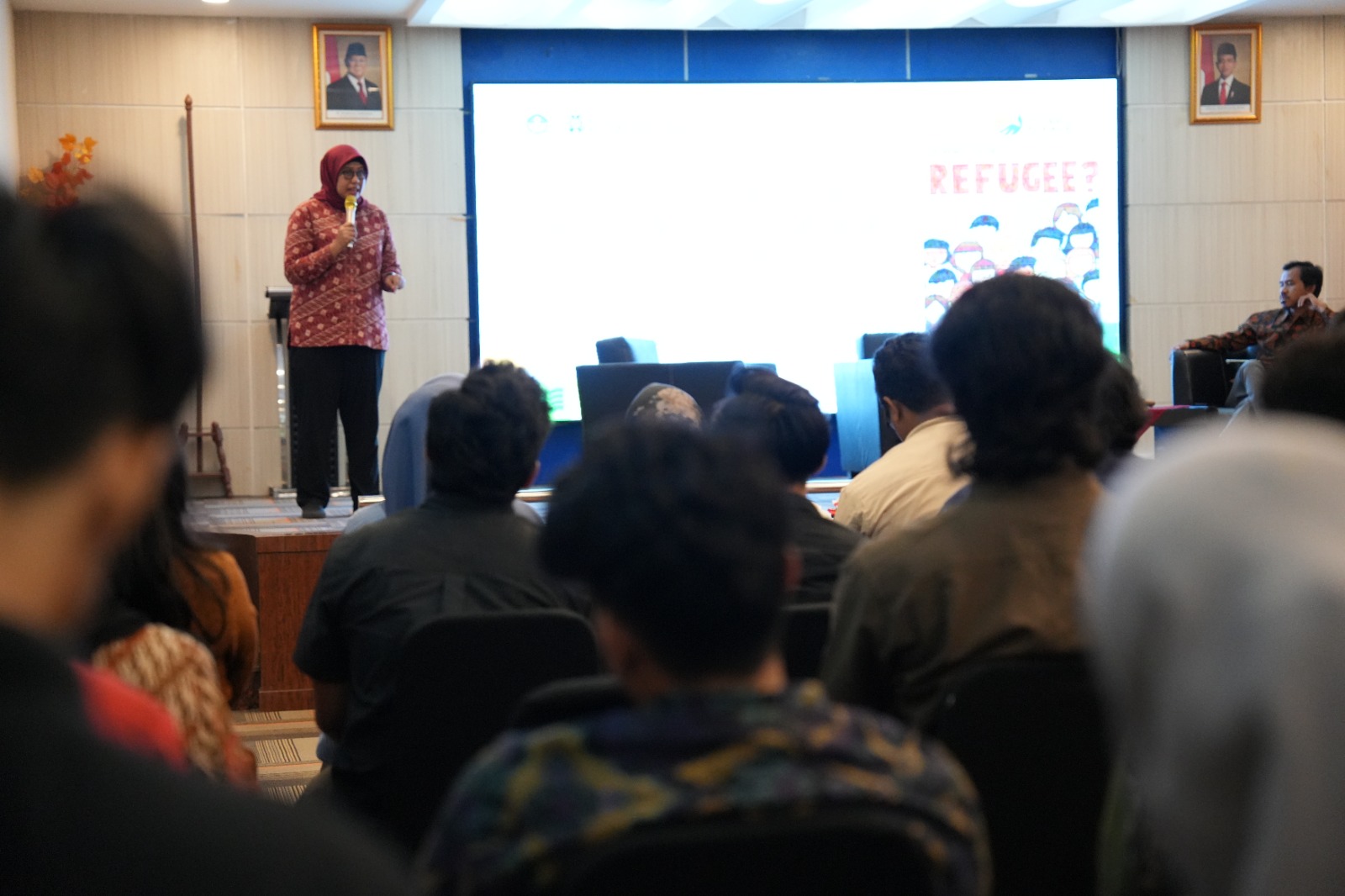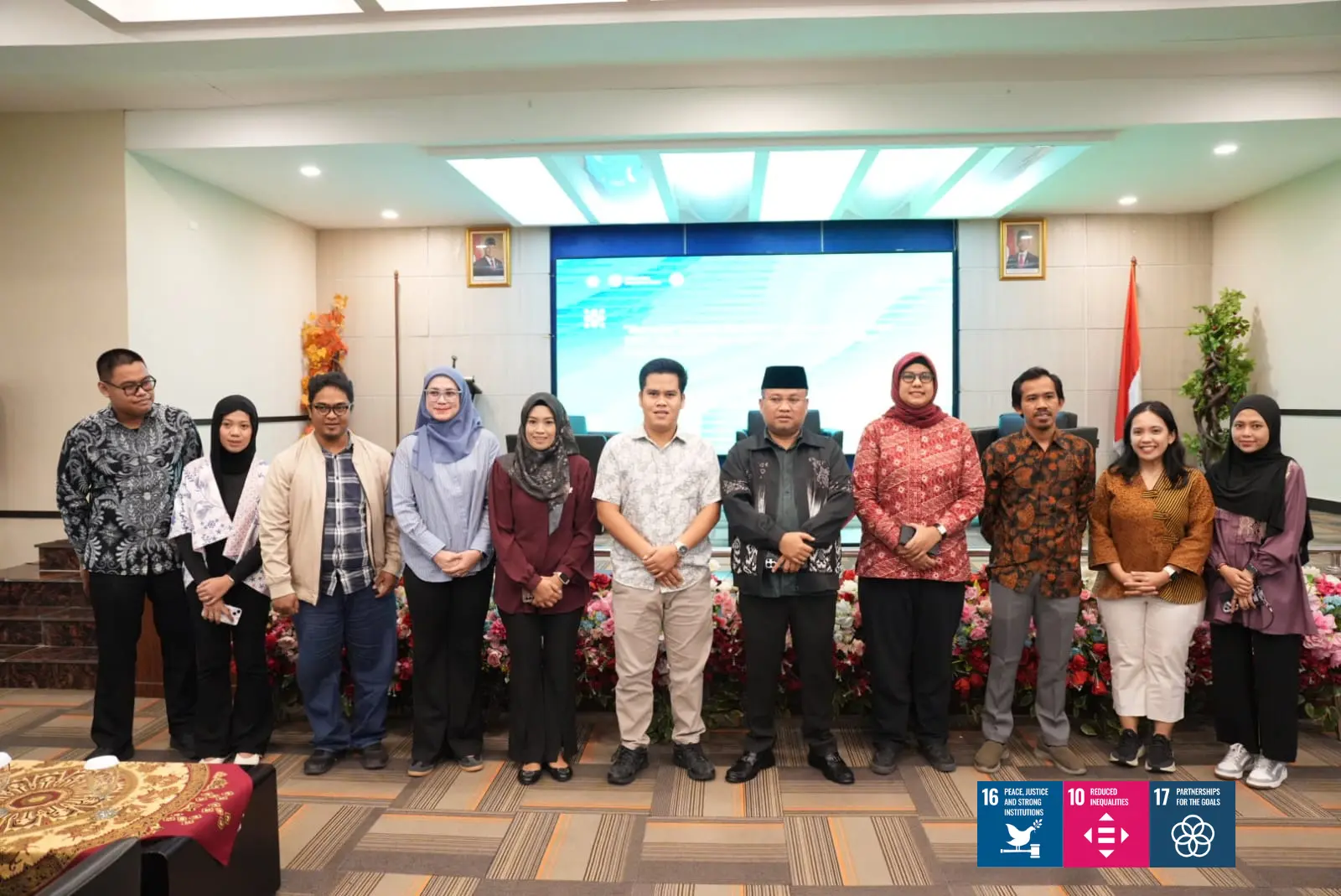
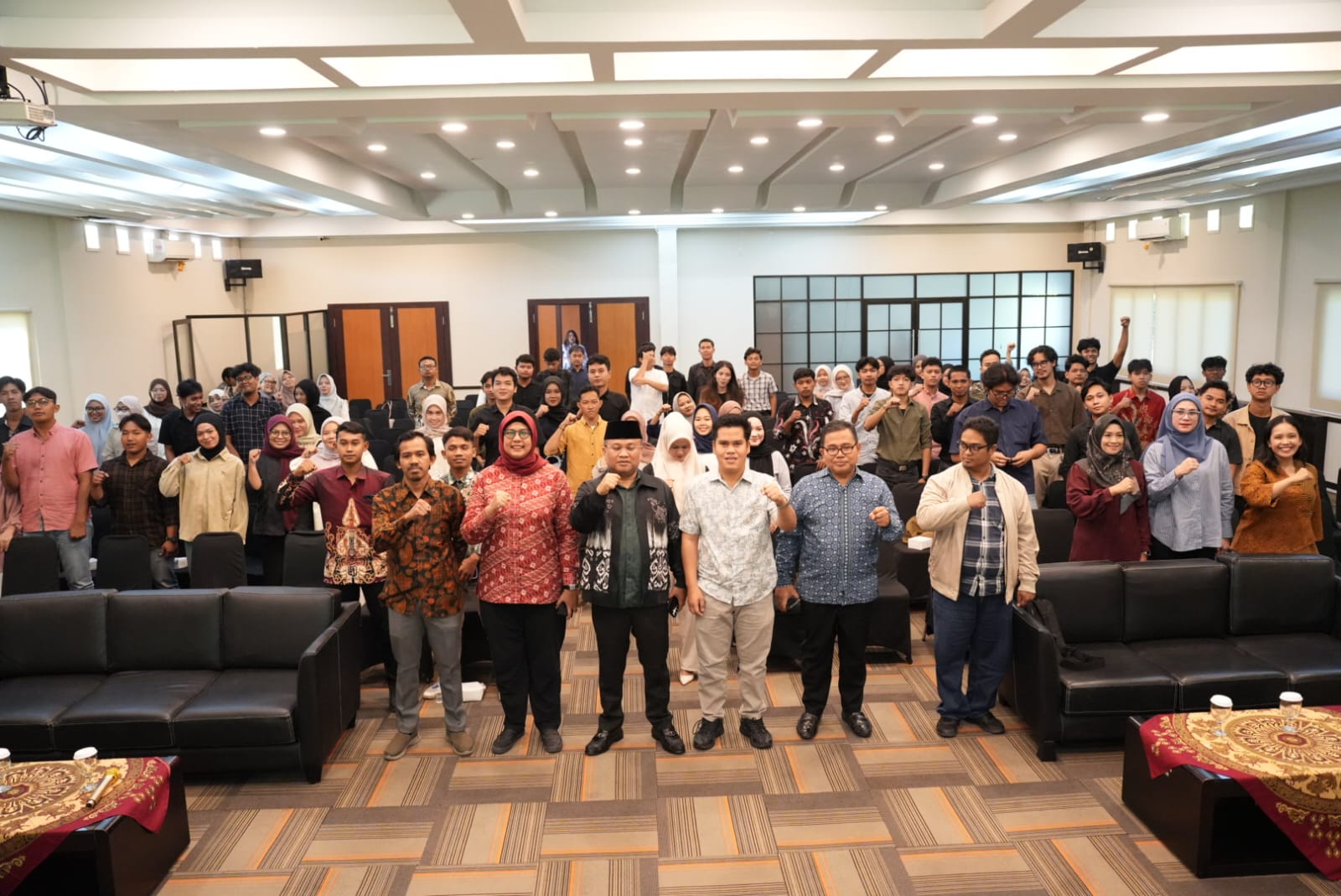
HUMAS-FHUSU: (03/07/2026) The Faculty of Law, Universitas Sumatera Utara (FH USU), once again demonstrated its commitment to examining strategic issues in international law through an academic discussion entitled "Assessing the Urgency of Ratifying the 1951 Refugee Convention: A Legal Solution or a Threat to Indonesia's Sovereignty?" The event featured Dr. Yati Sharfina Desiandri, S.H., M.H., Lecturer at FH USU and Coordinator of Advocacy and Policy at the USU Center for Human Rights Studies (PUSHAM), as the keynote speaker. The discussion was held at the ISIP Hall, Universitas Sumatera Utara.
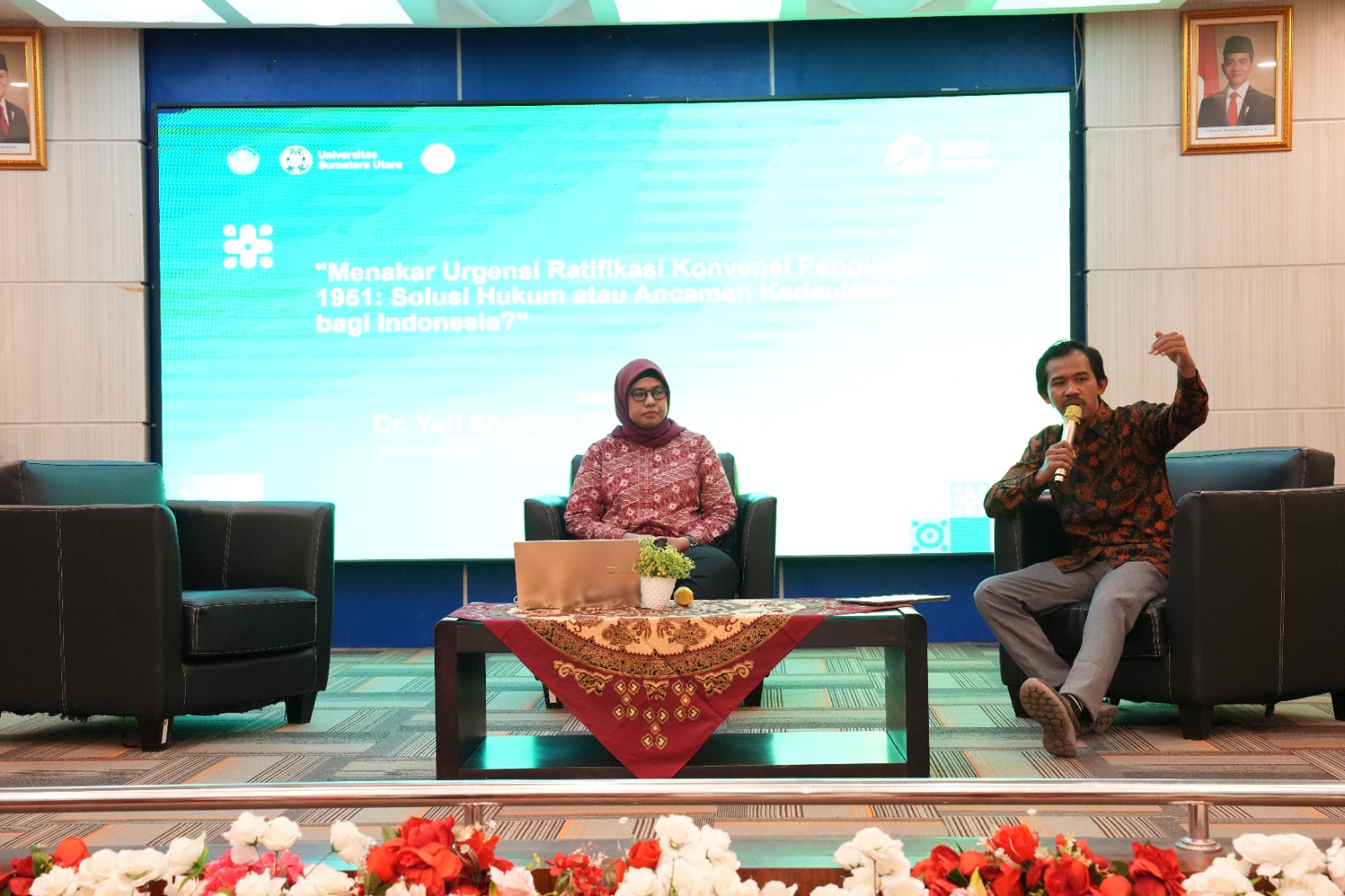
In her presentation, the speaker explained that the refugee issue is a global concern that extends beyond humanitarian considerations to encompass the dimension of state sovereignty. The 1951 Refugee Convention serves as the primary international legal instrument governing refugee protection, including the principle of non-refoulement, which prohibits states from returning refugees to territories where their lives or freedom would be at risk.

Furthermore, she explained that although Indonesia has not ratified the 1951 Refugee Convention and its 1967 Protocol, the fundamental principles contained within these instruments continue to carry moral and international legal significance. This places Indonesia in a complex position, balancing its global humanitarian responsibilities with its national interests in maintaining stability and safeguarding state sovereignty.

The discussion also highlighted several challenges Indonesia faces in addressing refugee issues, including the absence of comprehensive national regulations, the potential for social tensions with local communities, and indications of involvement by human trafficking and migrant smuggling networks. In addition, Indonesia's status as a transit country further complicates refugee management due to the uncertainty surrounding refugees' resettlement to destination countries.

From the perspective of national law, several regulations provide the legal basis for refugee management in Indonesia, including Law No. 39 of 1999 on Human Rights and Presidential Regulation No. 125 of 2016 on the Handling of Refugees from Abroad. However, these legal frameworks were considered to require further strengthening to address increasingly complex challenges.

The event also underscored the importance of synergy among the government, international organizations such as UNHCR and IOM, and the broader community in establishing an effective and equitable refugee management system. In addition, strong political will from both the government and the legislature is needed to formulate policies that strike a balance between the protection of human rights and national interests.

The discussion aligns with efforts to achieve the Sustainable Development Goals (SDGs), particularly:

  • SDG 16 (Peace, Justice and Strong Institutions) by strengthening legal systems, protecting human rights, and promoting fair and transparent institutional governance;
  • SDG 10 (Reduced Inequalities) by encouraging the protection of vulnerable groups such as refugees;
  • SDG 17 (Partnerships for the Goals) by strengthening collaboration among the government, academia, and international organizations in addressing refugee issues.

Through this academic forum, FH USU hopes to contribute to the development of appropriate and sustainable policies concerning refugee issues in Indonesia. The discussion also forms part of the faculty's commitment to supporting the achievement of the Sustainable Development Goals (SDGs), particularly SDG 16: Peace, Justice and Strong Institutions.

By organizing academic forums such as this, FH USU expects to encourage constructive ideas that can serve as a foundation for shaping Indonesia's future policies in responding to global refugee issues in a prudent, equitable, and sovereign manner.