


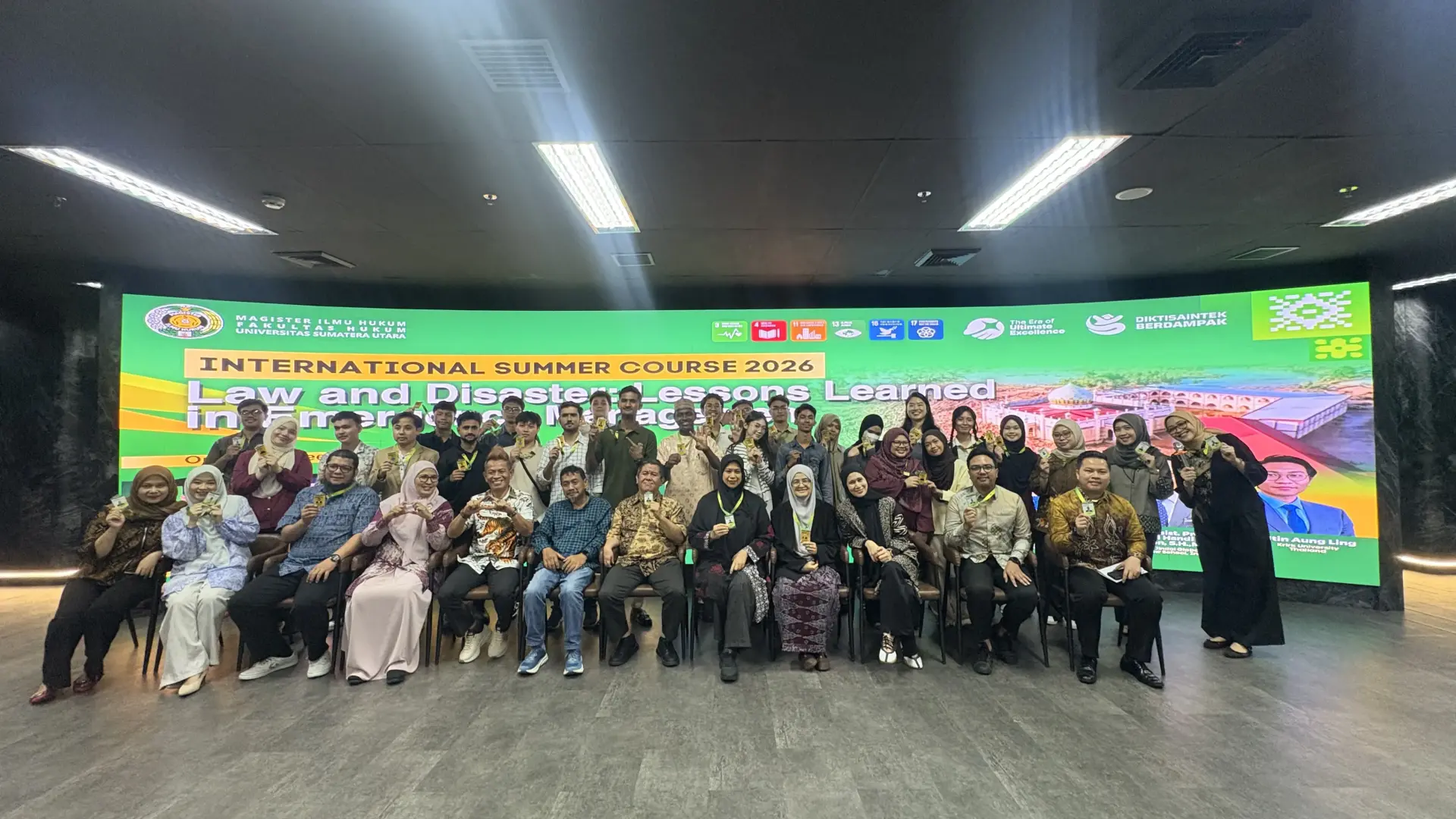
Public Relations – FH USU, (October 20, 2026), the Faculty of Law, Universitas Sumatera Utara (USU), held the 2026 Summer Course under the theme “Law and Disaster: Lessons Learned in Emergency Management” on Tuesday, October 20, 2026, at the Digital Learning Center Building (DLCB), Universitas Sumatera Utara. This event served as an international academic platform to deepen understanding of the role of law in disaster management, human rights protection, governance, and strengthening community resilience in facing disaster risks.
Through this event, the Faculty of Law USU sought to broaden participants’ understanding of the importance of a legal approach throughout all stages of disaster management, from mitigation and preparedness to emergency response and post-disaster recovery. Various perspectives presented by academics and practitioners from Indonesia, Vietnam, Japan, and India enriched discussions on the challenges of disaster management in both national and international contexts.
Introducing an Interactive Digital Learning Environment
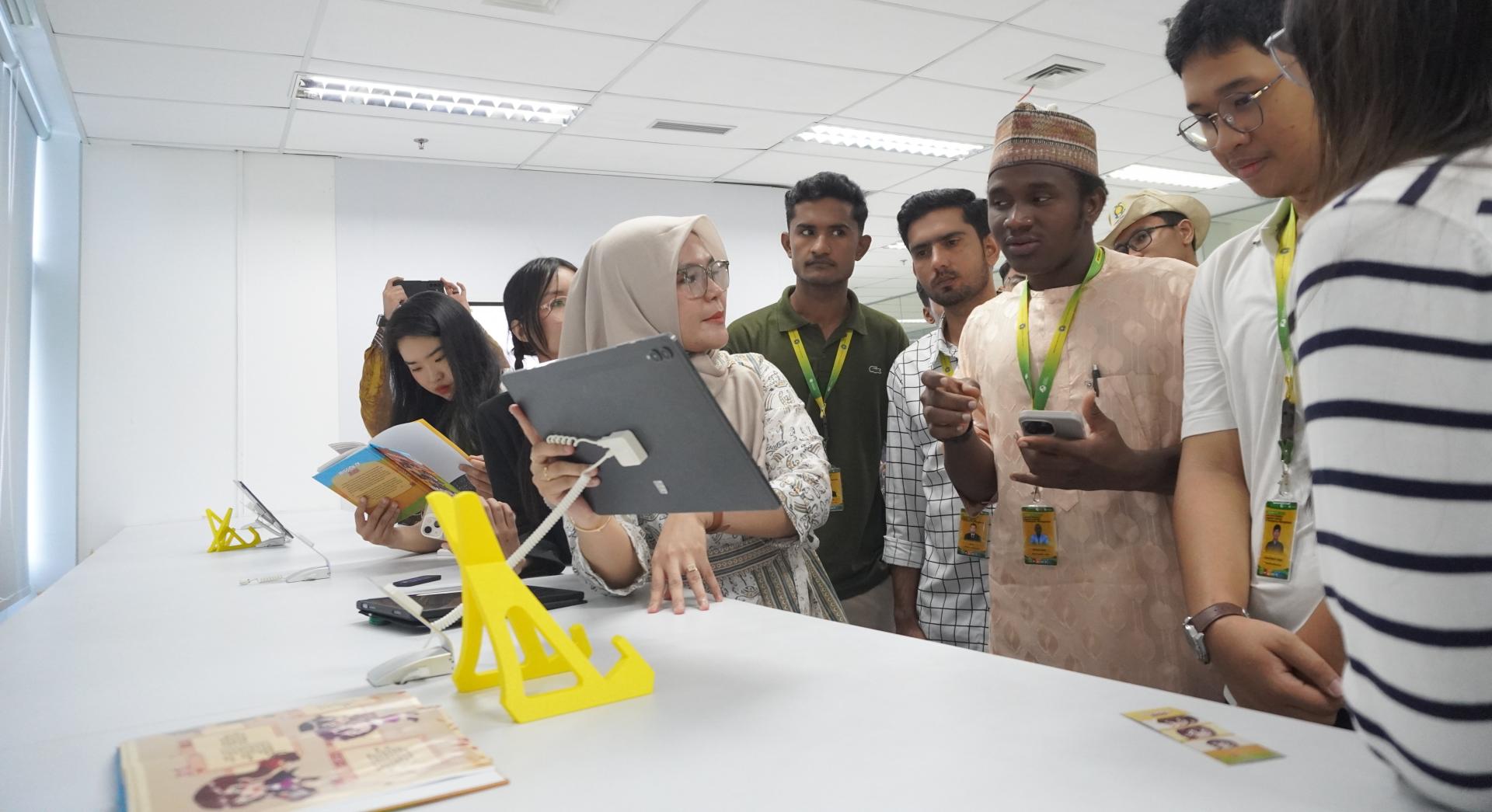
The 2026 Summer Course began with a breakfast gathering at the USU DLCB Canteen. Before the academic sessions commenced, participants were invited to explore the various facilities available at the Digital Learning Center Building, including the digital library, digital learning facilities, and learning-by-playing facilities, which employ games and interactive activities as learning methods.
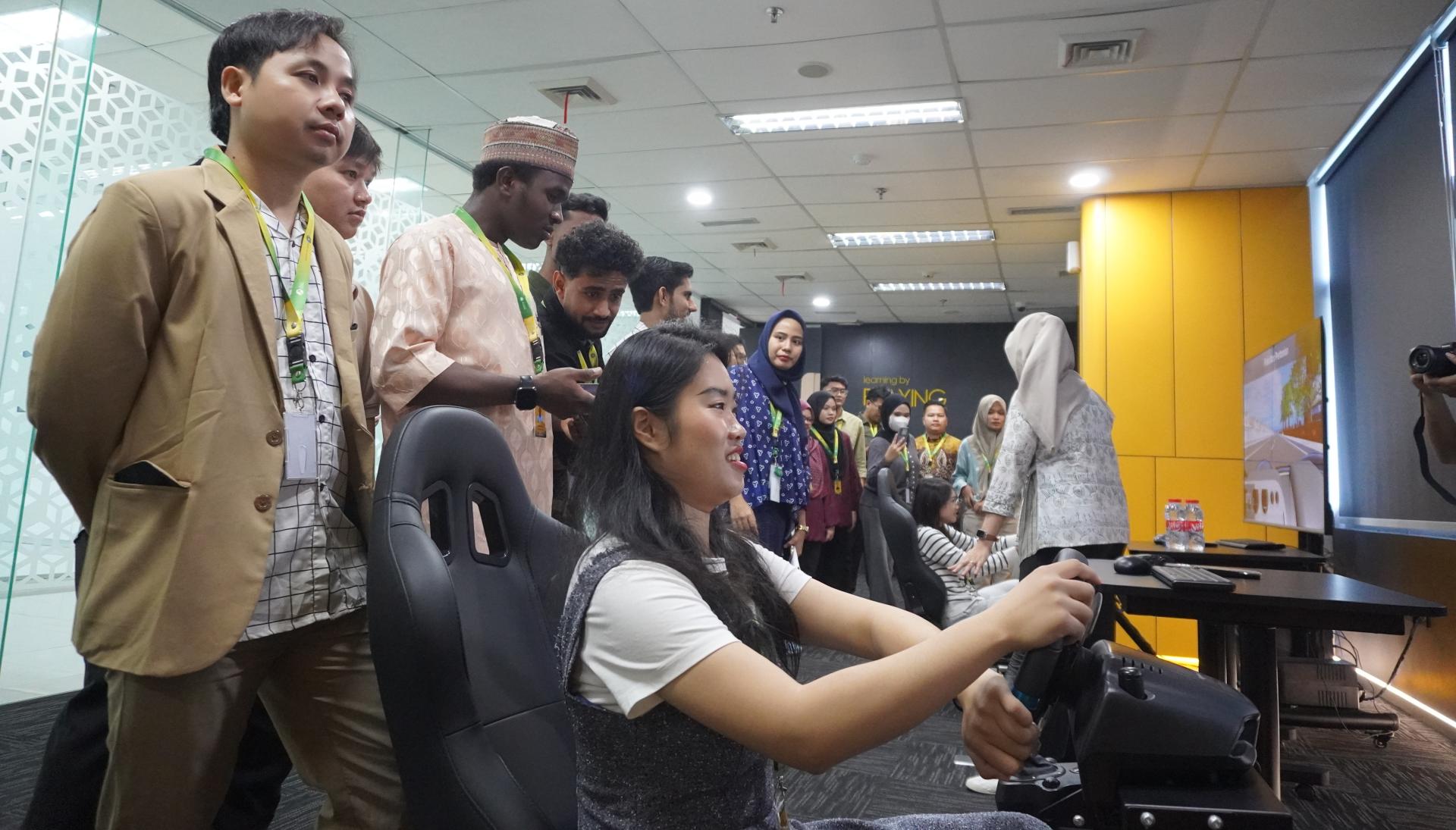
The introduction to these facilities provided participants with an engaging initial experience in understanding how technology can support the learning process. Participants showed enthusiasm throughout the facility tour, particularly when interacting with innovative and enjoyable learning resources.
The use of these digital facilities reflects USU’s commitment to creating a learning environment that adapts to technological developments. This approach also supports the development of higher education that is inclusive, participatory, and oriented toward improving human resource quality.
Following the facility tour, all five plenary sessions, from Plenary Session I to V, were held in the Digital Learning Center room. These five sessions featured speakers with diverse academic backgrounds and professional experience, providing a multidisciplinary understanding of the relationship between law, society, and disaster management.
Attended by the Leadership of the Faculty of Law USU
The opening event of the 2026 Summer Course was attended by the Dean of the Faculty of Law USU, Dr. Mahmul Siregar, S.H., M.Hum.; Vice Dean III, Dr. Mohammad Ekaputra, S.H., M.Hum.; the Head of the Doctoral Program in Law, Universitas Sumatera Utara; the Secretary of the Doctoral Program in Law, Dr. Afnila, S.H., M.Hum.; the Head of the Master's Program in Law, Dr. Mahmud Mulyadi, S.H., M.Hum.; the Secretary of the Master's Program in Law, Dr. Rosmalinda, S.H., LL.M.; the Head of the Undergraduate Program in Law, Dr. Affila, S.H., M.Hum.; and the Secretary of the Undergraduate Program in Law, Boy Laksamana, S.H., M.Hum.
The presence of faculty leaders and study program administrators demonstrated their support for strengthening the academic environment, developing international collaboration, and improving the quality of legal education at Universitas Sumatera Utara.
Dean of the Faculty of Law USU: Make the Most of the Summer Course as a Platform for Knowledge Development
In his opening remarks, the Dean of the Faculty of Law USU, Dr. Mahmul Siregar, S.H., M.Hum., expressed his appreciation to all participants who took part in the 2026 Summer Course. He also welcomed the successful organization of this event as part of efforts to develop academic knowledge and exchange insights on legal and disaster-related issues.
The Dean encouraged all participants to make the most of this opportunity, particularly by acquiring knowledge, exchanging perspectives, and developing a deeper understanding of the role of law in addressing various disaster-related issues.
According to him, learning about law and disasters is important because disaster management is not only related to technical and humanitarian aspects but also involves state responsibility, the protection of people's rights, legal certainty, and justice for victims.
USU Vice Rector IV Encourages Knowledge Exploration and Appreciates the Organizing Committee
The next opening address was delivered by the Vice Rector IV of Universitas Sumatera Utara for Planning, Infrastructure, and Business, Dr. Muhammad Anggia Muchtar, S.T., MM.IT.
In his address, he encouraged participants to engage seriously in all activities throughout the 2026 Summer Course and make use of this academic forum as an opportunity to explore knowledge and broaden their perspectives across countries.
He emphasized the importance of active participant involvement in the learning process so that the knowledge acquired would not remain merely theoretical but could also provide new perspectives on understanding and resolving legal issues in society.
In addition, the USU Vice Rector IV expressed his appreciation to the organizing committee for its dedication, hard work, and contributions in preparing and conducting the event. Support from various parties was considered an important component in delivering a high-quality academic event that benefits participants.
Five Academic Sessions: Connecting Law, Disasters, and Social Justice
Session I: From Response to Rights Protection: Lessons from the 2025 Sumatra Floods
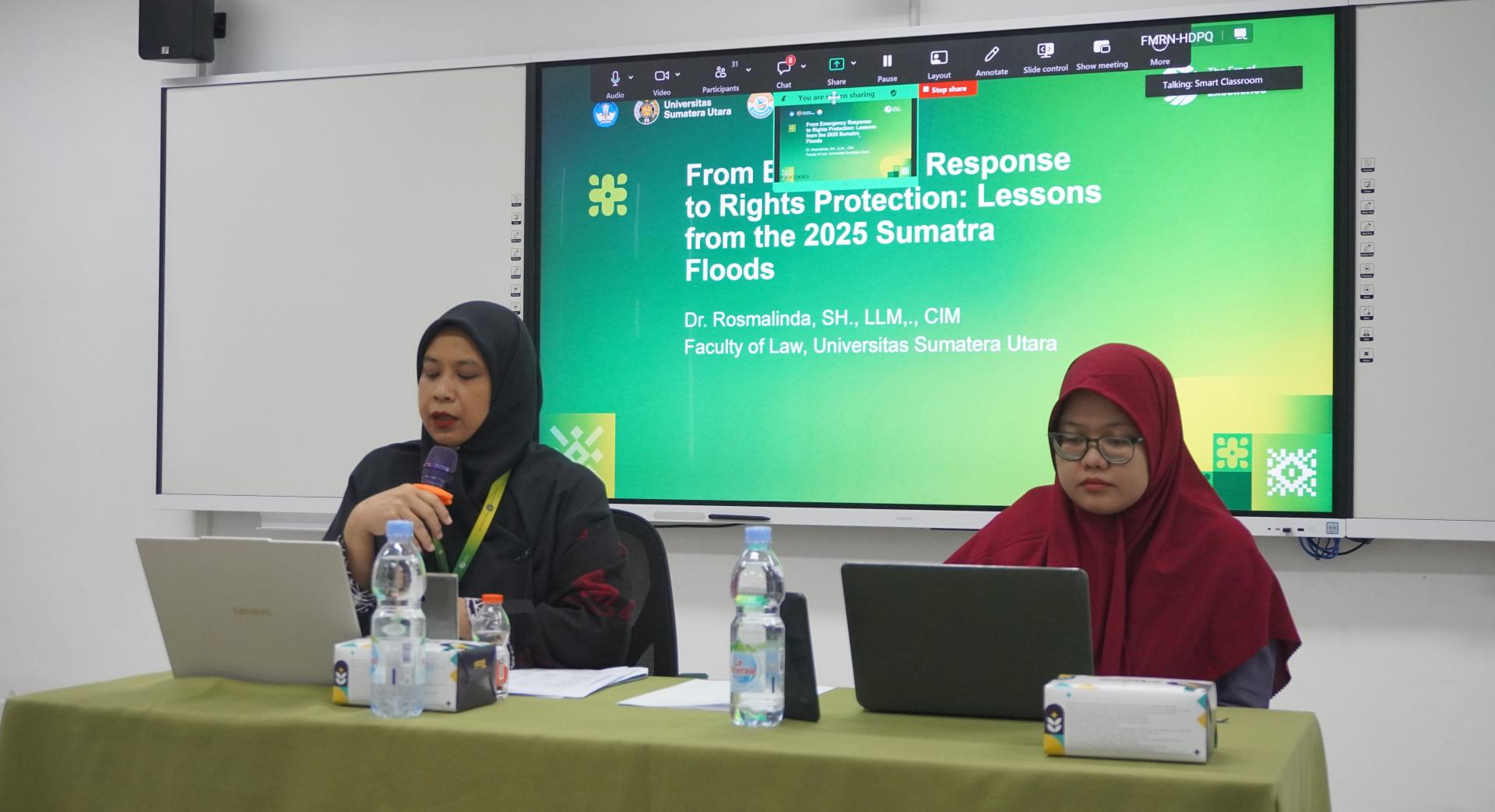
The first session featured Dr. Rosmalinda, S.H., LL.M., CIM, moderated by host Annisa Hafizhah, S.H., M.H. The presentation was entitled “From Response to Rights Protection: Lessons from the 2025 Sumatra Floods.”
The presentation explored lessons from the 2025 Sumatra floods, emphasizing the protection of people's rights as an essential component of disaster management.
Disaster management should not focus solely on evacuation, the provision of emergency assistance, and infrastructure reconstruction. Beyond these measures, every stage of disaster management must consider the fulfillment of the basic rights of affected communities, including the rights to safety, adequate housing, access to basic necessities, information, healthcare, and fair treatment.
This perspective emphasizes that shifting from a response focused solely on emergencies toward a rights-based approach is an important step in building a people-centered disaster management system.
Lessons from the floods also provide an opportunity to reflect on the importance of interagency coordination, government accountability, and community involvement in the recovery process. Thus, law functions not only as an instrument for managing emergencies but also as a foundation for ensuring that affected communities receive protection and justice.
Session II: Gender Mainstreaming in Disaster Risk Management
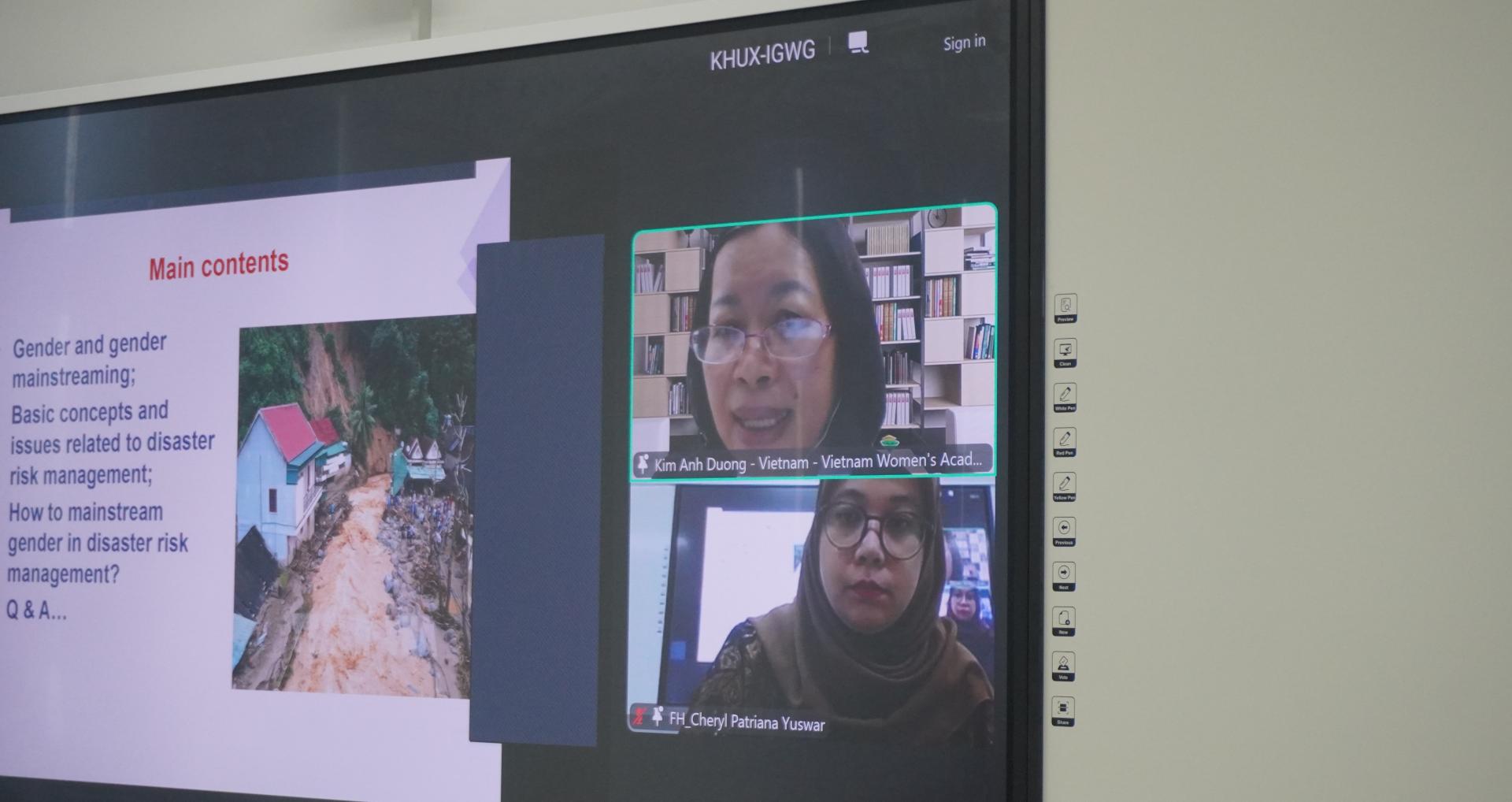
The second session featured Kim Ahn Duong, Vice Director of the Vietnam Women's Academy, Vietnam, moderated by host Dr. Cheryl Patriana Yuswar, S.H., LL.M. The presentation was entitled “Gender Mainstreaming in Disaster Risk Management.”
In her presentation, Kim Ahn Duong emphasized that gender mainstreaming in disaster risk management does not simply mean involving women in disaster-related activities. This approach must be able to identify and address gender inequalities, ensure meaningful participation, and provide equal opportunities for everyone to prepare for, respond to, and recover from disaster risks safely and fairly.
A gender perspective is important because different groups within society may face different vulnerabilities and barriers when disasters occur. Women, children, persons with disabilities, older adults, and other vulnerable groups may require different forms of support according to their circumstances and needs.
Therefore, disaster management policies must be developed by considering the experiences and needs of diverse groups within society. Involving women and vulnerable groups in decision-making is also essential to ensuring that implemented policies genuinely address community needs.
The presentation emphasized that the success of disaster risk management is measured not only by the speed of response but also by the system's ability to provide inclusive protection without discrimination.
Session III: Law, Disaster and Society: A Legal Anthropological Perspective from Japan
The third session featured Associate Professor Sayaka Takano from Chuo University, Japan, moderated by host Lesly Saviera, S.H., M.H. The presentation was entitled “Law, Disaster and Society: A Legal Anthropological Perspective from Japan.”
Through the perspective of legal anthropology, Sayaka Takano explained the relationship between law, social experiences, and community life when facing disasters. The discussion demonstrated that the impact of disasters is not limited to physical damage but also involves loss, grief, changes in social relationships, and issues of justice during the recovery process.
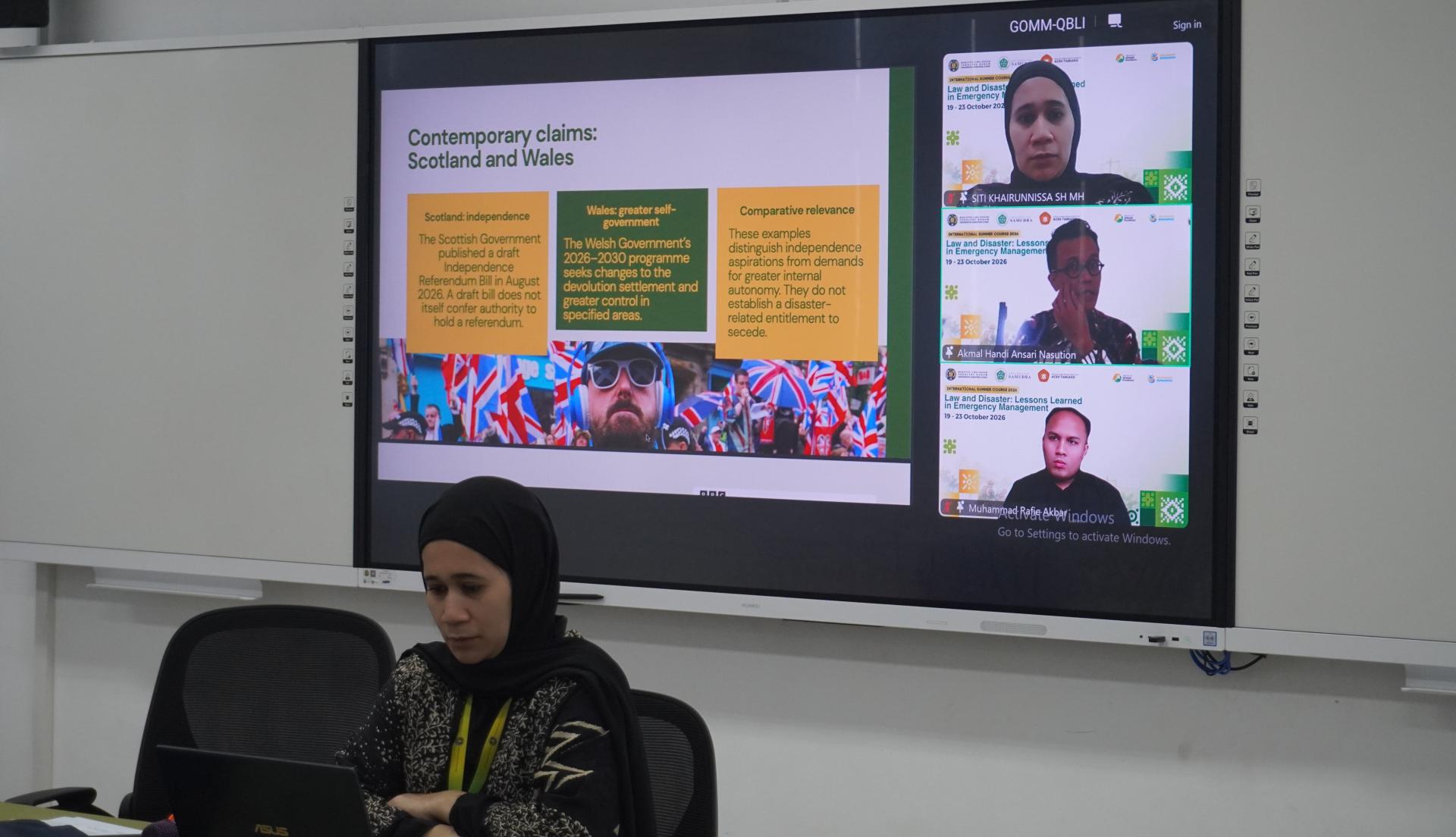
In this context, law plays an important role in determining how losses are recognized, how assistance is provided, and how communities receive support to rebuild their lives.
Japan's experience illustrates that uniform policies and regulations can produce different impacts on different communities. Differences in social conditions, family needs, and victims' experiences can create gaps between legal provisions and the realities of people's lives.
The presentation also highlighted how victims' experiences, community advocacy, and changing social perspectives can drive legal developments. Support that is initially viewed as a form of charity or assistance can evolve into a right that must be recognized and protected.
Questions concerning who is recognized as family, how the value of loss is assessed, and who is entitled to receive support demonstrate that post-disaster recovery is both a legal and a humanitarian issue.
Therefore, disaster law must be sensitive to social realities. Good policies require not only a strong legal foundation but also the ability to address the actual needs of communities affected by disasters.
Session IV: Government Challenges in Disaster Management
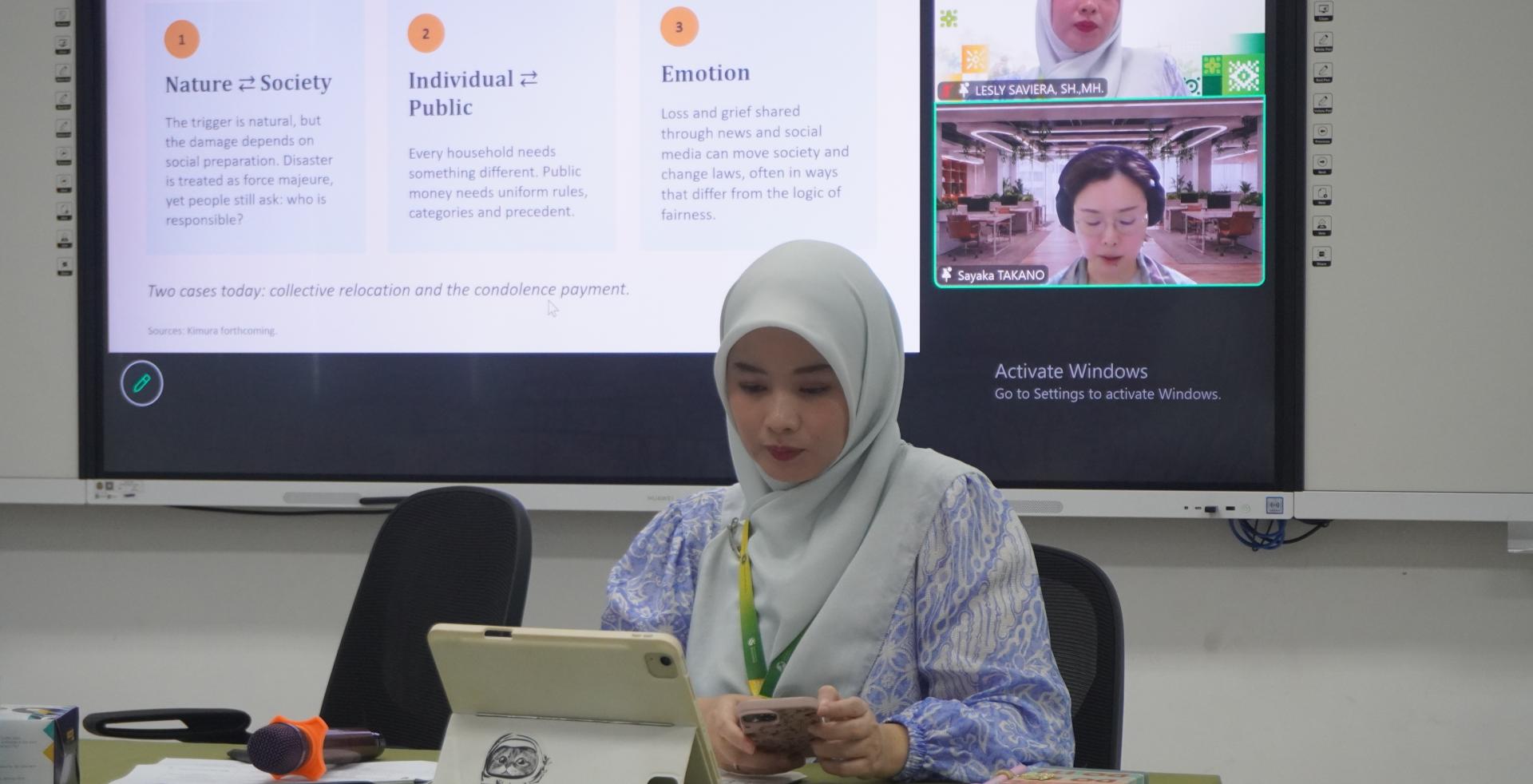
The fourth session featured Assistant Professor Akmal Handi Ansari Nasution, S.H., M.H., LL.M., from Jindal Law School, India, moderated by host Siti Khairunnissa, S.H., M.H. The presentation was entitled “Government Challenges in Disaster Management.”
In his presentation, Akmal Handi Ansari Nasution explained that disaster management is not merely an emergency response to natural hazards but also part of the state's broader obligation to protect life, human dignity, and human rights.
Although disasters may occur beyond the government's control, their impacts can become more severe due to inadequate preparedness, delayed responses, limited information, insufficient infrastructure, and the unequal distribution of assistance to affected communities.
Failures in these areas can give rise to human rights issues when they conflict with the state's applicable legal obligations. Therefore, disaster governance requires a transparent, accountable, and responsive system capable of ensuring the fair protection of communities.
The presentation also highlighted the importance of implementing Law Number 24 of 2007 concerning Disaster Management. Institutional weaknesses and ineffective policy implementation can reduce public trust, increase public dissatisfaction, and weaken the state's political legitimacy.
In regions with historical grievances and dissatisfaction, governance failures may even strengthen demands for decentralization, regional autonomy, and more meaningful political participation. However, he also emphasized that state failure in disaster management does not automatically create a legal right to independence or secession from a state. The relationship between disaster governance, territorial integrity, and the right to self-determination must be assessed within the applicable framework of international law.
Therefore, strengthening accountability, local government capacity, emergency response mechanisms, and human rights protection is essential to improving disaster governance. A state that can protect its people, provide an effective response, and ensure accountability will have a stronger foundation for maintaining public trust and social cohesion.
Session V: The Architecture of Resilience: Navigating Disaster Law from Global Mandates to Local Readiness in Aceh
The fifth session featured Prof. Dr. Muhammad Yakub Aiyub Kadir, S.Ag., LL.M., from Universitas Syiah Kuala, moderated by host Nabila Afifah Salwa, S.H., M.H. The presentation was entitled “The Architecture of Resilience: Navigating Disaster Law from Global Mandates to Local Readiness in Aceh.”
This session focused on the importance of building community resilience through a disaster law system that connects global commitments with local preparedness, particularly in Aceh.
Prof. Muhammad Yakub Aiyub Kadir emphasized that financial investment in the pre-disaster phase is significantly more efficient than funding recovery after a disaster occurs. Such investments include risk mitigation, infrastructure strengthening, enhancing community capacity, providing early warning systems, and developing sustainable preparedness mechanisms.
This idea aligns with the global Sendai Framework for Disaster Risk Reduction 2015–2030, which encourages countries to reduce disaster risks and prevent the creation of new risks through well-planned and sustainable policies.
In Indonesia, this approach is also related to Law Number 24 of 2007 concerning Disaster Management, which provides a legal foundation for disaster management.
Disaster management, therefore, should not be viewed as an act of charity or an activity undertaken only when a disaster occurs. It is a responsibility established within a legal framework and is closely related to protecting people's rights to safety and a decent life.
Aceh's experience provides an important context for understanding how global policies can be translated into local preparedness. Local government readiness, institutional capacity, community participation, and sustainable financing are essential elements in building resilience against disaster risks.
Through this presentation, participants were encouraged to understand that resilience does not emerge instantly after a disaster occurs. Instead, it is built well in advance through planning, investment, law enforcement, and community involvement.
The 2026 Summer Course and Its Relevance to the Sustainable Development Goals (SDGs)
The 2026 Summer Course, under the theme “Law and Disaster: Lessons Learned in Emergency Management,” is strongly relevant to the Sustainable Development Goals (SDGs).
The SDGs are a global development agenda established by the United Nations (UN) to achieve a more prosperous, just, inclusive, and sustainable world. This agenda encompasses 17 interconnected goals, including disaster risk reduction, human rights protection, gender equality, resilient infrastructure development, and stronger institutions.
In the context of this event, several SDGs are particularly relevant.
1. SDG 4: Quality Education
SDG 4 aims to ensure inclusive, equitable, and quality education and promote lifelong learning opportunities for everyone.
The Summer Course supports this goal through international knowledge exchange, interactive learning, and cross-country academic discussions. The introduction to the Digital Learning Center facilities, digital library, and learning-by-playing methods also illustrates efforts to create innovative and participatory learning experiences.
This event also expands opportunities for participants to understand disaster-related issues through legal, social, and governance perspectives.
2. SDG 5: Gender Equality
SDG 5 emphasizes the importance of achieving gender equality and empowering all women and girls.
The presentation “Gender Mainstreaming in Disaster Risk Management” is directly related to this goal. Gender mainstreaming in disaster management promotes the elimination of discrimination, strengthens women's participation, and recognizes the different needs and vulnerabilities people face when confronting disasters.
Through this approach, disaster management policies are expected to provide fairer protection and ensure that women and vulnerable groups have opportunities to participate in decision-making processes.
3. SDG 9: Industry, Innovation and Infrastructure
SDG 9 aims to build resilient infrastructure, promote inclusive and sustainable industrialization, and foster innovation.
Discussions on local preparedness and disaster governance demonstrate that safe and resilient infrastructure is an essential component of disaster risk reduction. Infrastructure designed with potential hazards in mind can help protect communities while maintaining the continuity of public services.
Meanwhile, the use of digital learning facilities during the Summer Course reflects the application of innovation to support knowledge development and academic capacity building.
4. SDG 11: Sustainable Cities and Communities
SDG 11 aims to make cities and human settlements inclusive, safe, resilient, and sustainable.
This goal is closely related to the main theme of the 2026 Summer Course. Disaster risk reduction requires sound regional planning, early warning systems, community preparedness, resilient infrastructure, and recovery mechanisms that consider the needs of affected populations.
Lessons from the Sumatra floods and disaster management experiences in Japan and Aceh provide perspectives on the importance of building communities that can not only respond to disasters but also reduce risks and restore their lives sustainably.
5. SDG 13: Climate Action
SDG 13 emphasizes the need for urgent action to combat climate change and its impacts.
In the context of disaster management, this goal is related to strengthening adaptive capacity, preparedness for climate-related hazards, and the integration of disaster risk reduction into policies and planning.
Although not all disasters are caused by climate change, strengthening resilience to climate-related disasters is an important part of sustainable development.
Lessons concerning mitigation, preparedness, and pre-disaster investment can help improve the capacity of communities and governments to address evolving risks.
6. SDG 16: Peace, Justice and Strong Institutions
SDG 16 promotes peaceful and inclusive societies, access to justice, and the development of effective, accountable, and transparent institutions.
This goal represents one of the most fundamental connections between law and disaster management.
Disaster management requires clarity regarding government responsibilities, coordination mechanisms, aid distribution, protection of people's rights, and accountability for policy decisions. When the law is implemented effectively and transparently, public trust in institutions can be strengthened.
The presentations on government challenges in disaster management and the protection of victims' rights emphasized that disaster management is part of the state's responsibility to ensure justice and protect the public.
7. SDG 17: Partnerships for the Goals
SDG 17 emphasizes the importance of strengthening partnerships to achieve sustainable development.
The participation of academics from Indonesia, Vietnam, Japan, and India in the 2026 Summer Course demonstrates the importance of international cooperation in developing knowledge and sharing experiences in disaster management.
Each country has different legal characteristics, social conditions, and disaster management experiences. The exchange of perspectives can broaden participants' understanding and create opportunities for academic collaboration in developing research, policies, and more effective disaster management practices.
Thus, this event serves not only as a learning platform but also as a potential foundation for strengthening international academic networks.
Strengthening Legal Perspectives to Build Resilient Communities
The entire series of activities in the 2026 Summer Course demonstrated that disaster management is a multidimensional issue requiring legal, social, institutional, and humanitarian approaches simultaneously.
The five academic sessions provided an understanding that the success of disaster management is measured not only by the ability to respond to emergencies but also by preparedness before disasters occur, protection of people's rights, equality in aid distribution, and the ability of governments and communities to rebuild their lives sustainably.
Law plays a strategic role in ensuring that disaster management policies are implemented based on the principles of justice, accountability, legal certainty, and respect for human rights. Meanwhile, pre-disaster investment, community participation, and cross-country cooperation are essential elements in building resilience against future risks.
Through this event, the Faculty of Law, Universitas Sumatera Utara, contributed to supporting the sustainable development agenda, particularly SDG 4 on quality education, SDG 5 on gender equality, SDG 11 on sustainable cities and communities, SDG 13 on climate action, SDG 16 on justice and strong institutions, and SDG 17 on partnerships for the goals.
Ultimately, the 2026 Summer Course emphasized that building disaster resilience is not only about being prepared for emergencies but also about how the law protects people, the state fulfills its responsibilities, and communities receive fair opportunities to recover and build a safer and more sustainable future.