


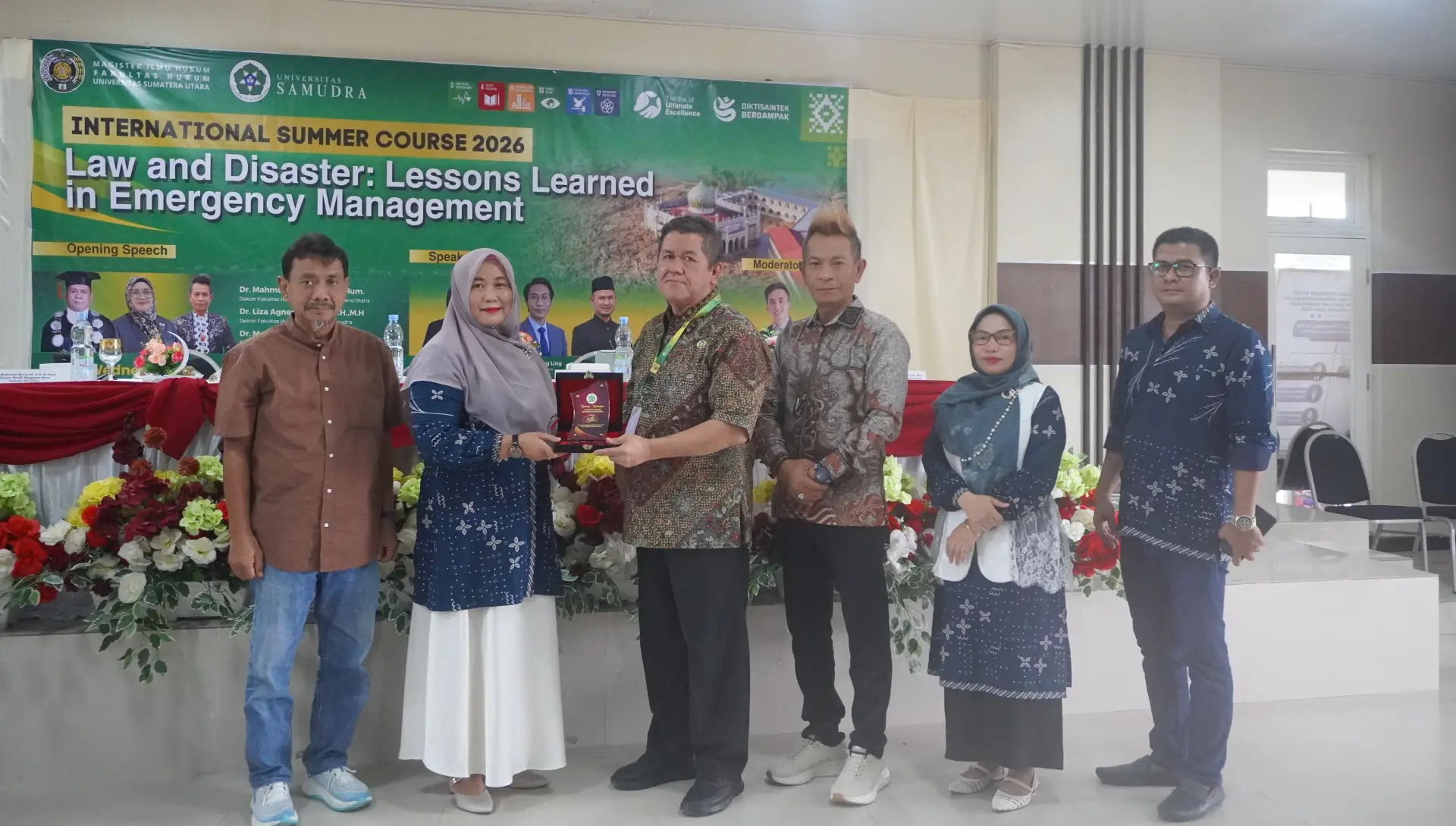
(October 21, 2026) The Faculty of Law Universitas Sumatera Utara (FH USU) established academic collaboration with the Faculty of Law Universitas Samudra (Unsam) Langsa on Wednesday, October 21, 2026. The activity taking place at Universitas Samudra Langsa was conducted offline and online.
The event opened with welcoming remarks from the Vice Dean II for Planning, Finance, and General Affairs of the Faculty of Law Unsam, Dr. Maria Ulfa, S.Pd., M.Hum. Further remarks were delivered by the Dean of FH USU, Dr. Mahmul Siregar, S.H., M.Hum., and the Head of the Master's Program in Law USU, Dr. Mahmud Mulyadi, S.H., M.Hum.
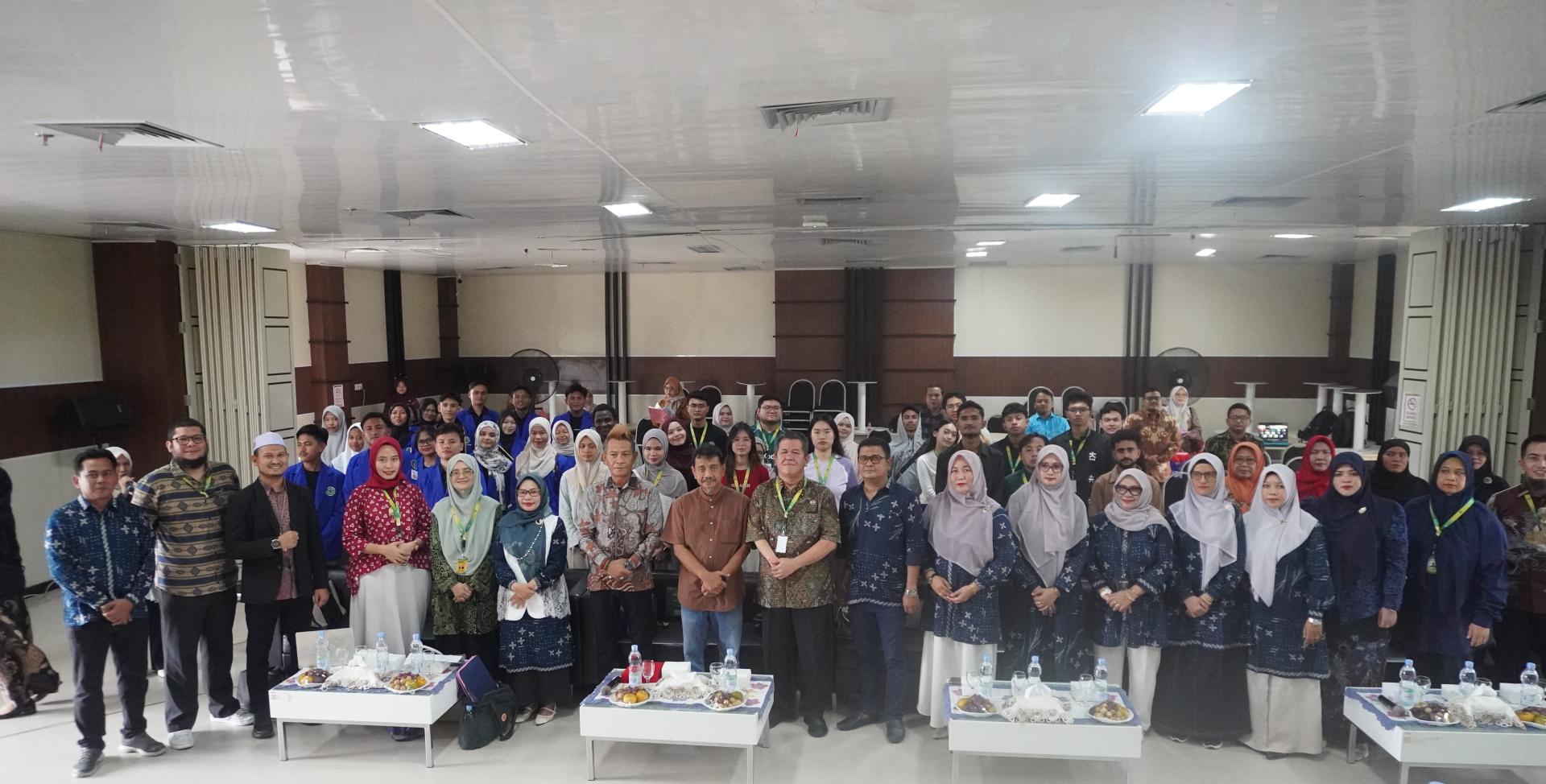
Also present at this event were the Vice Dean for Research, Community Service, Collaboration, and Information of FH USU, Dr. Mohammad Ekaputra, S.H., M.Hum.; the Secretary of the Master's Program in Law USU, Dr. Rosmalinda, S.H., LL.M.; the Secretary of the Undergraduate Program in Law USU, Boy Laksamana, S.H., M.Hum.; the Head of the Master's Program in Law Unsam, Dr. Muhammad Iqbal Asnawi, S.H., M.H., along with officials; as well as the Head of the Undergraduate Program in Law Unsam along with officials. Also present were all committee members of the FH USU Summer Course 2026.
This summer course was attended by participants from various countries, such as Yemen, Pakistan, Myanmar, Malaysia, Cambodia, and China. In order to ensure the success of the event and gain valuable knowledge and experience related to Law and disaster: Lessons learned in emergency management.
In the activity of the Faculty of Law Universitas Sumatera Utara at Universitas Samudra Langsa, it began with the signing of a cooperation agreement (Implementation Agreement) between the Faculty of Law Universitas Sumatera Utara and the Faculty of Law Universitas Samudra Langsa.
Afterward, the activity continued with the handover of certificates from USU to resource persons from UNSAM, UMSU, and to the moderator from USU. This activity also featured the handover of plaques from UNSAM to USU, and vice versa from USU to UNSAM. Then the handover of plaques from UNSAM to IIUM, and the handover of plaques from UNSAM to UMSU.
As an international academic activity, the Summer Course 2026 Faculty of Law Universitas Sumatera Utara held a panel discussion and Q&A session where the speakers included: The first speaker was Assoc. Prof. Azila Azmi, from UiTM-Penang, Malaysia, who presented material on Who Protects the Tourist? Disaster preparedness, emergency management, and stakeholder responsibility in Tourism. She concluded that A Truly competitive destination is prepared, responsible, and resilient.
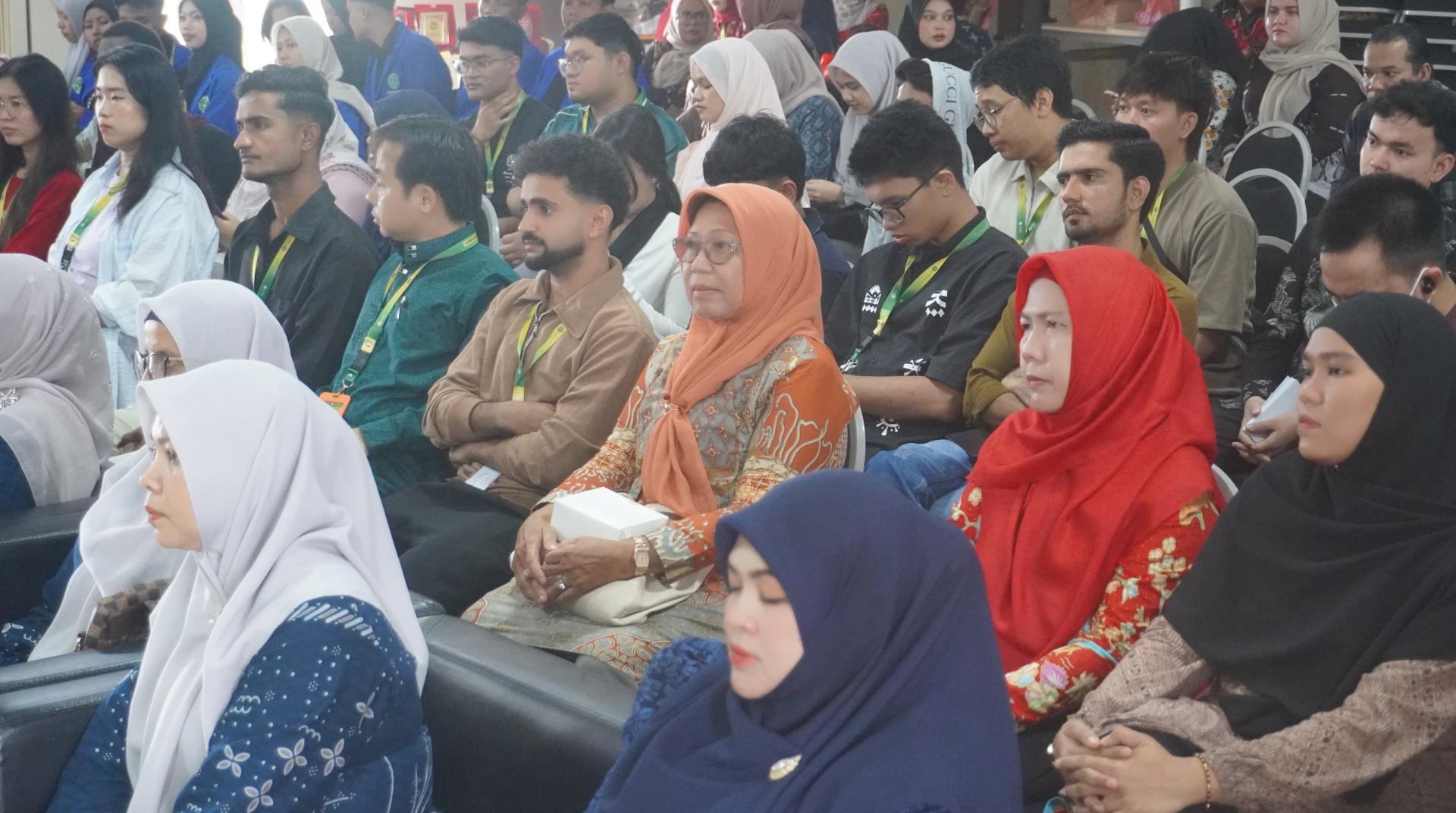
The second speaker was Htin Aung Long from Krirk University, Thailand. The material presented was community resilience under prolonged crisis: local asset and collective action.
The third speaker was Sari Yulis, S.H.I., M. H., from Universitas Samudra - Langsa. The material was related to UNSAM PEDULI, from disaster to solidarity and collaboration. UNSAM plays an important role in natural disaster management, such as the flooding at the end of 2025. UNSAM became a central point for evacuation and flood command post in Langsa some time ago. Thus, UNSAM has a full commitment to educating about disaster mitigation.
The fourth speaker was Taufik Hidayat Lubis, S.S.,S.H.,M.H., who comes from Universitas Muhammadiyah Sumatera Utara. The material presented was Law in times of disaster: rights, responsibility, and social recovery. This panel discussion was moderated by the host, Dr. Abdul Aziz Alsa, S.H.,M.H.
The implementation of the Summer Course 2026 Faculty of Law Universitas Sumatera Utara with the Faculty of Law Universitas Samudra also aligns with efforts to support the achievement of the Sustainable Development Goals (SDGs).
First, SDG 4: Quality Education. This activity provides a cross-country learning space that brings together students, academics, and international participants to broaden knowledge regarding law and disaster management. The exchange of ideas and experiences in this academic forum supports the development of inclusive, quality education that is relevant to global challenges.
Second, SDG 11: Sustainable Cities and Communities. Discussions regarding disaster preparedness, emergency management, risk mitigation, and community resilience contribute to enhancing understanding of the importance of building safe, resilient, and sustainable communities. The experience of Universitas Samudra in helping handle floods in Langsa serves as a concrete example of the role of higher education in supporting community resilience when facing disasters.
Third, SDG 13: Climate Action. Discussions on disaster preparedness and management are relevant to efforts to strengthen adaptive capacity to climate-related hazards and risks. Through the development of knowledge regarding mitigation and emergency management, this activity encourages increased awareness of the importance of institutional and community readiness in facing various disaster risks.
Fourth, SDG 16: Peace, Justice and Strong Institutions. The theme of law in disaster situations emphasizes the importance of protecting the rights of affected communities, clear responsibilities, access to justice, and accountable disaster management governance. Strengthening legal perspectives is expected to support the creation of responsive, transparent institutions oriented toward community protection.
Fifth, SDG 17: Partnerships for the Goals. Collaboration between USU, UNSAM, UMSU, IIUM, as well as academics from various countries demonstrates the importance of partnerships in broadening the impact of education, research, and community service. The signing of the Implementation Agreement between FH USU and FH UNSAM represents a concrete form of strengthening inter-institutional cooperation to support the achievement of sustainable development goals.
Through the integration of legal perspectives, education, and disaster management, this activity is expected not only to produce academic enrichment but also to drive the strengthening of institutional and community capacity in facing disaster risks in a more planned, inclusive, and sustainable manner.